Thinking about buying in Seville as a getaway home, a long-term rental, or something in between? That can be a smart move, but only if your ownership plan matches the local rules, the property type, and the day-to-day reality of holding a home in this part of Gilbert. In this guide, you’ll get a practical look at how second-home and rental ownership works in Seville, what to verify before you buy, and where small details can have a big impact. Let’s dive in.
Why Seville draws second-home buyers
Seville stands out as a golf-and-country-club community in Gilbert built around a member-based club lifestyle. The community is centered on Seville Golf & Country Club, which markets an 18-hole Gary Panks course, a resort-style waterpark and pool complex, a sports club, racquet courts, dining venues, and multiple membership tiers.
For many buyers, that setup makes Seville appealing as more than just a place to own real estate. It offers a lifestyle component that can fit a second-home strategy, especially if you want a home base in the East Valley with amenities already built into the community experience.
Current club information also matters when you run the numbers. The sports membership page lists a $1,000 enrollment fee and $330 in monthly dues, so it is worth factoring those costs into your budget if club access is part of your plan.
What homes in Seville usually look like
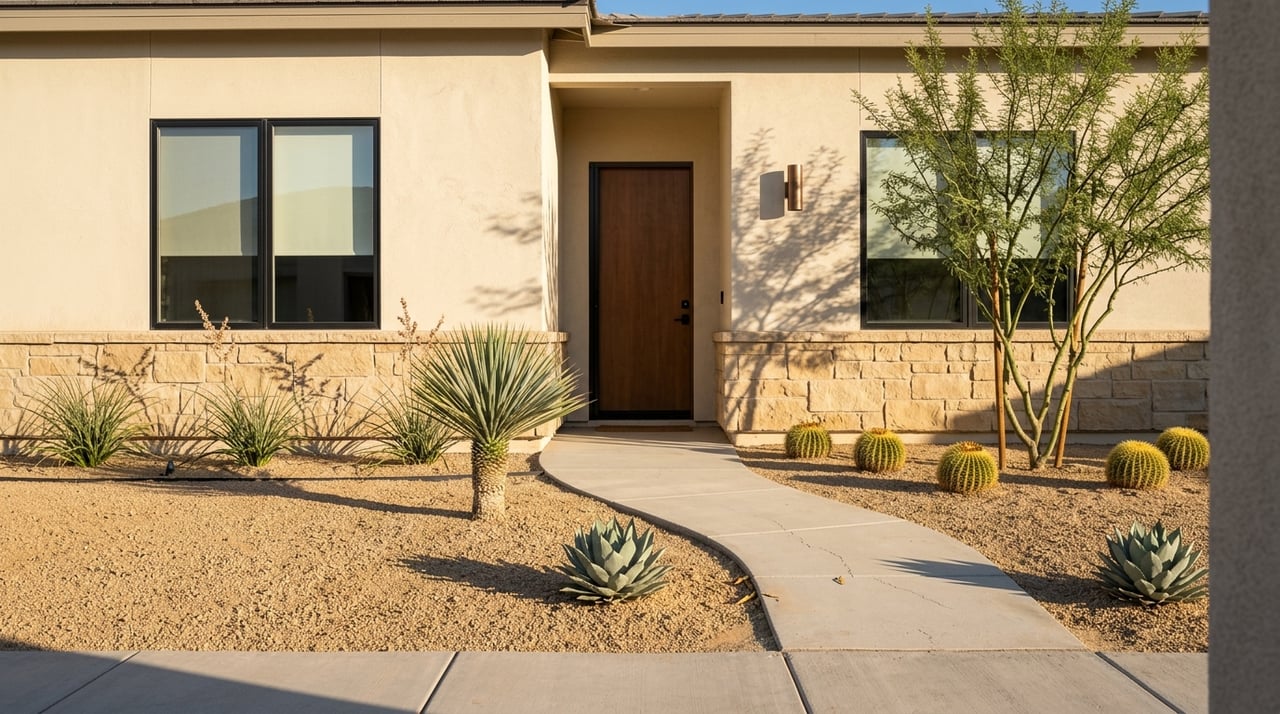
Most current Seville listings are detached single-family homes. Recent examples range from about 1,665 to 4,590 square feet, with many homes offering 3 to 5 bedrooms.
That matters because the housing stock helps shape the most realistic ownership strategies. In Seville, you are generally looking at a single-family home hold rather than a multifamily play, which tends to make the community a better fit for a second home, a conventional long-term rental, or a hybrid plan where you use the property part-time and adjust later.
Rental listings in Seville also tend to reflect this pattern. Current rent examples commonly feature detached homes rather than apartments or other multifamily options.
Seville market snapshot
If you are comparing Seville to other East Valley options, current pricing gives useful context. Recent market pages show an average home value of $650,653, a median list price of $682,665, and 48 homes for sale.
Redfin’s current market page places the median sale price near $699,765, with homes spending about 51 days on market. That does not tell you what any one property is worth, but it does help frame Seville as an established move-up and lifestyle-oriented single-family market.
For second-home buyers and investors alike, that means your buy decision should start with a realistic view of both entry price and hold costs. In a neighborhood like Seville, the purchase price is only one piece of the ownership equation.
Second home vs rental classification
One of the most important details to understand is that Maricopa County does not treat a primary residence, a second home, and a rental the same way. County guidance says you can have only one primary residence under Arizona law.
If the Seville property is your vacation home or secondary home, it generally falls under Legal Class 4.1. If the property is used solely as leased or rented residential property, it falls under Legal Class 4.2 and must be registered as a rental.
This is a key distinction for anyone buying with flexibility in mind. If you purchase as a second home and later turn the property into a rental, the county expects the registration and classification to be updated.
What long-term rental owners need to know
If you plan to lease out a Seville home, long-term rental rules deserve close attention before you close. Maricopa County requires residential rental registration, and Gilbert states that all residential properties used as rentals in town need to be registered with Maricopa County as rentals.
The county says the purpose of rental registration is to maintain an accurate rental record for code-enforcement purposes. Gilbert also enforces a Community Preservation Ordinance that addresses maintenance standards and nuisance abatement, which is another reason remote owners should have a solid upkeep plan.
In practical terms, long-term rental ownership in Seville is not just about finding a tenant. It also means staying current on registration, maintenance, and compliance expectations from both the town and the HOA.
Lease structure matters
Current Seville rental listings often advertise 12-month minimum leases. Some also show landlord-paid HOA dues or landscaping.
That does not mean every property follows the same pattern, but it is a useful market signal. Before you buy, you should confirm the recorded CC&Rs and parcel-specific rules for the exact address so your intended lease structure matches what is actually allowed.
HOA rules for rental owners
If you own from out of area, Arizona law gives you some helpful flexibility. Under A.R.S. 33-1806.01, an owner can appoint a third-party agent to handle association business for the rental property.
That can simplify ownership if you live elsewhere and want a property manager or another designated contact to handle HOA communication. It can make a Seville rental more manageable for owners who are not local full time.
The same statute also limits what an HOA can request from a landlord. An association may request only adult occupant names and contact information, lease dates, and vehicle descriptions or license plate information.
Just as important, the HOA cannot require the full lease, credit report, or rental application except as allowed by statute. If you are building a rental portfolio, that is a useful rule to understand upfront.
Landlord responsibilities in Arizona
Arizona courts state that the Arizona Residential Landlord Tenant Act generally governs residential tenancies. Court guidance notes that landlords must follow legal eviction steps rather than self-help measures.
The same guidance says tenants must follow the lease, city rules, and HOA rules. It also lists common landlord duties such as providing a lease copy, giving a move-in inspection form, and maintaining fit premises.
For Seville owners, this means your lease is only part of the picture. Your operating plan should also reflect state landlord obligations and the community rules that apply to the property.
Short-term rental is a separate path
Some buyers assume they can start with a second home, then rent it short term later if needed. In Gilbert, that is a separate rule set and should not be treated like a simple extension of long-term renting.
If your strategy ever shifts to short-term rental use, Gilbert requires a short-term rental license, Arizona Department of Revenue TPT licensing, county registration, and neighbor notification before use. That is a very different compliance path than a standard long-term lease.
Gilbert’s tax-compliance page also says the treatment of long-term residential rentals changed effective January 1, 2025. Because of that, buyers should verify current tax collection and filing requirements directly with the city when evaluating a rental strategy.
How to evaluate a Seville hold
If you are deciding between a second home and a rental in Seville, start with how you realistically plan to use the property. A home that sits mostly empty, a home you use seasonally, and a home you lease year-round can all work, but they come with different classification, management, and compliance needs.
A second-home buyer should think about usage frequency, maintenance, and whether the club-and-amenity lifestyle matches the amount of time you will actually spend there. A long-term rental buyer should focus on county registration, HOA rules, lease structure, and the systems needed to manage the property well.
In both cases, the smartest move is to line up the property’s legal classification, the HOA’s recorded rules, and your intended use before closing. That kind of diligence can help you avoid surprises after you take title.
Where local guidance pays off
Seville can make sense for buyers who want a lifestyle-driven second home or a single-family buy-and-hold in Gilbert. But it is not a market where you want to make assumptions based on general real estate advice alone.
The details matter here, especially when you are balancing club costs, HOA expectations, county rental registration, and the difference between secondary-home and rental classifications. A clear plan on the front end can make ownership much smoother on the back end.
If you are weighing a purchase in Seville, working with someone who understands both East Valley neighborhoods and investor decision-making can help you buy with more confidence. When you are ready to talk through numbers, use cases, and property fit, connect with Jamie Flanagan.
FAQs
Can you own a true second home in Seville, Gilbert?
- Yes. If the home is not your primary residence, Maricopa County generally treats it as a secondary home classification rather than a primary residence.
Do you need to register a long-term rental in Seville?
- Yes. Maricopa County requires residential rental registration, and Gilbert states that residential properties used as rentals in town must be registered with the county.
Can a Seville HOA require your tenant’s full lease packet?
- No. Arizona law limits what an HOA may request and generally allows only adult occupant names and contact information, lease dates, and vehicle details.
Is short-term rental use in Seville the same as long-term rental use?
- No. In Gilbert, short-term rental use has a separate licensing and notification process that includes a short-term rental license, tax licensing, county registration, and neighbor notification.
What type of homes are most common in Seville, Gilbert?
- Current listings are dominated by detached single-family homes, commonly with 3 to 5 bedrooms and roughly 1,665 to 4,590 square feet.
What should you verify before buying a Seville rental property?
- Confirm the property’s classification, the HOA’s recorded rules, and whether your intended lease structure aligns with county and community requirements.
